Some suggestions on controlling humidity in pig farms
2022-02-25 15:33:17
According to the changes of seasons, the most common problem of wet pig farms is that pigs have more than diarrhea. So how to effectively control humidity and what should be paid attention to in the production process? China feed material information network puts forward some suggestions to farmers:
First, increase ventilation.
Only when the pig house is ventilated, can the excess water vapor in the house be discharged to reduce humidity.
Measures: 1. Raise the production bed and increase the distance between the piglets and the wet ground; 2. Increase the area of windows and strengthen the ventilation of pig houses; 3. The ventilation effect of the ground is better than that of the window on the ground, so adding the ground window can directly blow to the ground and better discharge water vapor; 4. Install fans to increase air flow. The effect is most obvious when the pigsty is dry.
Second, control water.
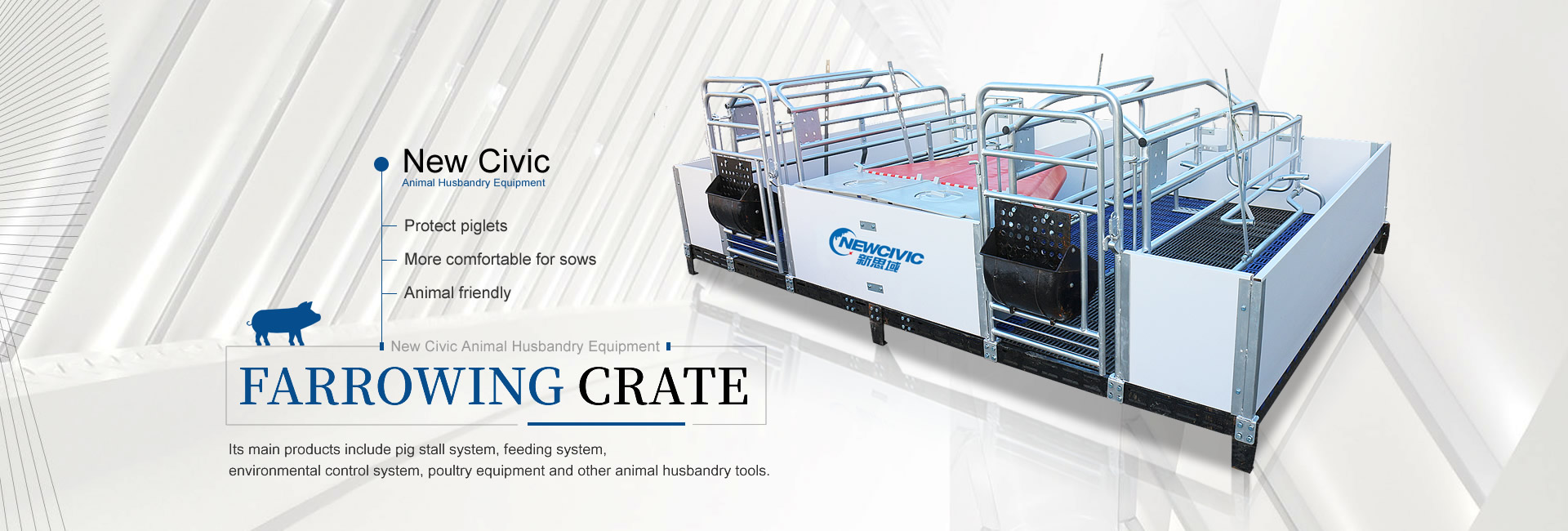
In pig sheds sensitive to humidity (such as delivery room and pre nursing stage), water use should be controlled to reduce the ponding on the ground, which can effectively control the humidity of pig farms.
Third, the ground is paved with quicklime.
Spread quicklime on the ground and make use of the hygroscopic characteristics of quicklime to dry the local air in the pig house. In addition, quicklime has the function of disinfection.
Fourth, dry the planking.
In order to prevent the diarrhea of piglets, it is very effective to often dry the wooden mat laid for piglets in an oven, or lay dry cloth or carpet on the piglets a few days before birth.
Fifth, lay low-temperature water pipes.
If the temperature of water in the pigsty is lower than 20 ℃, the water can flow from the water pipe in the pigsty more times, and the water can also be reduced.
Sixth, others.
The humidity in the pigsty can be controlled by raising a stove and installing air conditioning in the pigsty.
Previous:How to make the structure of pig raising equipment more reasonable
Next:Misunderstanding of pig herd health care